
How to plan a garden for beginners, picking what to plant, the best garden bed layout for your space, and a Garden Planner!
How to plan a garden for beginners
Step 1: Where are you going to plant your garden?
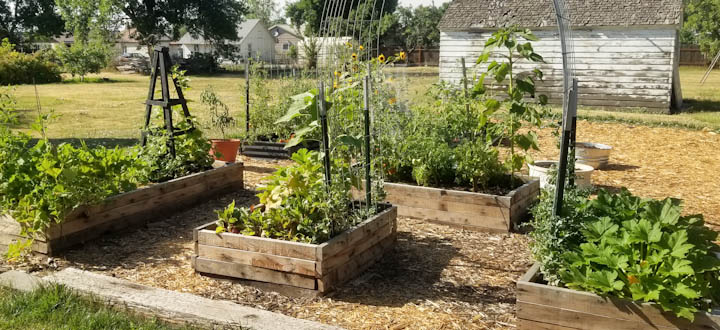
The first step to planning a successful garden is the location. Your garden needs to be located in an area with as much sunlight as possible. Take a few days to track when the sunlight hits particular areas, watch for large trees or fences that provide too much shade. Keep in mind your water source, if it is not close you will have to find a way to run hoses to your garden.
Step 2: Raised bed, container, or in ground garden?
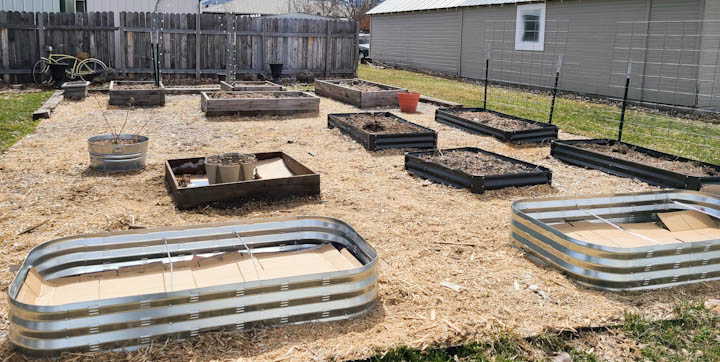
There are many options for the type of garden you are going to plant.
Raised bed gardens are a great option for those who are not able to get onto the ground. There are many options on the market ranging from wood, metal or even cinder block. This option may not be the most cost effective for a starting gardener, due to the cost of the beds and soil to fill them. Raised bed is my gardening method of choice, and I use a variety of trellis systems to grow vertically.
Gardens planted in ground can be more cost effective, but not cost free. I do not recommend tilling up soil, as that soil can contain weeds, and will likely need an abundance of amendments. Rather than plant in your current soil, lay down sheets of cardboard to kill off the current grass and weeds. Cover the cardboard with compost for and then plant seeds or seedlings in that rich organic matter.
Container gardening is a good option for those who are in a small space, or want to start gardening slowly. Containers can be purchased, but totes or buckets with drainage holes can be used. Stacked containers such as a GreenStalk Vertical Planter work well for planting as much as possible in a vertical space. I have even purchased stacking planters from my local dollar store!
Step 3: Soil health and watering the garden
Soil health is one of the most important factors for successful gardening. Healthy soil is full of lots of living organisms that provide the environment plants need to thrive. Soil needs to be well draining and full of organic matter. Clay-like soil will not be well draining and will need additions of organic matter over many seasons. Layers of compost, peat moss and mulch will improve soil over time. Healthy soil takes time to build, but is a necessary endeavor. Yearly soil testing can help with determining what your soil needs. Your local extension office may also offer soil testing and many helpful resources for your area.
A hose or watering can may seem like the obvious choice for watering the garden. But one must consider the size of the garden and take into account the amount of time it takes to water by hand, especially if watering twice a day. A drip or sprinkler system on a timer may be a better option for time and will help to monitor the amount of water used.
Step 4: Determine your growing zone
Knowing your growing zone and “last frost date” is an important factor when determining if plants will survive in your area. Some plants need a longer growing season than others, and some are more frost-hardy. A garden in Idaho and a garden in Florida are going to have very different growing requirements. Knowing your growing zone will determine when you can safely plant seedling, how long before you can harvest, and which plants will thrive. There are many resources online for finding your growing zone, I the Farmers Almanac most often. This site includes a map of growing zones and last frost date by zip code.
Step 5: Seed starting or buying started plants?
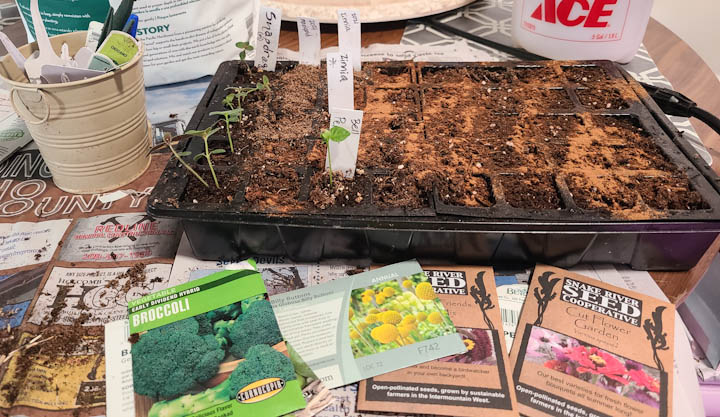
The first year I planted my garden, I purchased plants from my local nursery. While it was a more expensive option, I was looking for success to keep me motivated to garden the next year. Purchasing plants doesn’t guarantee success, but it is much simpler for the first time gardener.
Seed starting is rewarding and more cost effective than buying plant starts. Starting your garden from seed means you have almost endless options for variety in what you grow. I do purchase a few starts every year, but I get the most satisfaction from planting my tiny seeds in the soil and nurturing the tender seedlings. Flowers and vegetables grown from seed to harvest is a huge accomplishment! Starting seeds requires warmth, light, well draining containers, non-compacted soil and SPACE. Those tiny seedlings grow fast, and you’ll need ample space for them to grow before they are ready to be planted outside.
Step 6: What plants to grow?
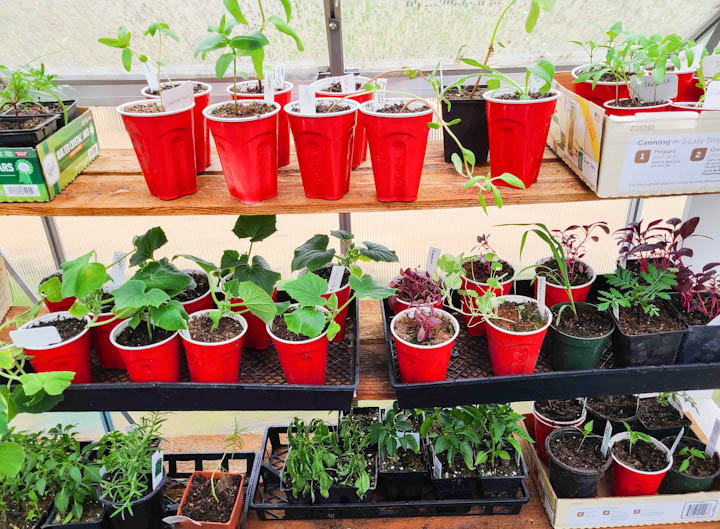
The options for seeds and plants to choose from can be overwhelming! The endless variety of even the most simple vegetable like carrots can make it hard to pick just one. A good starting point is to think about what your family will actually eat. Don’t grow zucchini if your family won’t eat it, or pickling cucumbers if you have no plans to make pickles. Start small, and every year you can add a few more varieties. Some good crops for first time gardeners:
- Basil
- Zucchini
- Green Beans
- Kale
- Radishes
- Cherry tomatoes
- Cucumbers
- Potatoes
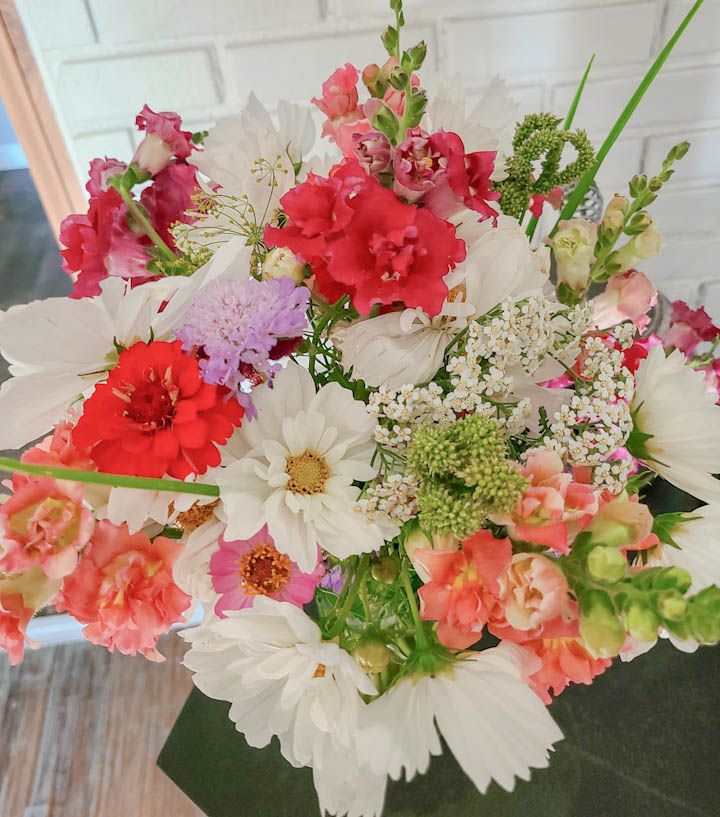
While growing flowers are far from a necessity, in my garden they are non-negotiable. I love a vase of garden flowers on my table all summer long. Gardening is to feed your family, but don’t forget to grow something pretty, simply because it brings you joy!
Step 7: Garden layout and companion planting
Plotting out where you are going to plant each vegetable is vital to success. While seedlings are small, some plants can grow to take up a large amount of space. By keeping in mind the potential size of full grown plants, you can avoid overcrowding.
I learned my lesson the hard way with poor yield and plant loss before I knew about companion planting. Some plants are friends, and others are enemies. There are many companion planting charts online to determine which plants are best planted next to one another. Here are a few examples:
- Tomatoes like basil, carrots and beans, but they don’t like corn, dill or potatoes
- Cucumbers like beans, corn, lettuce and tomatoes, but they don’t play well with sage
- Zucchini likes beans, dill and garlic, but not potatoes, pumpkin or fennel
Step 8: Planting!
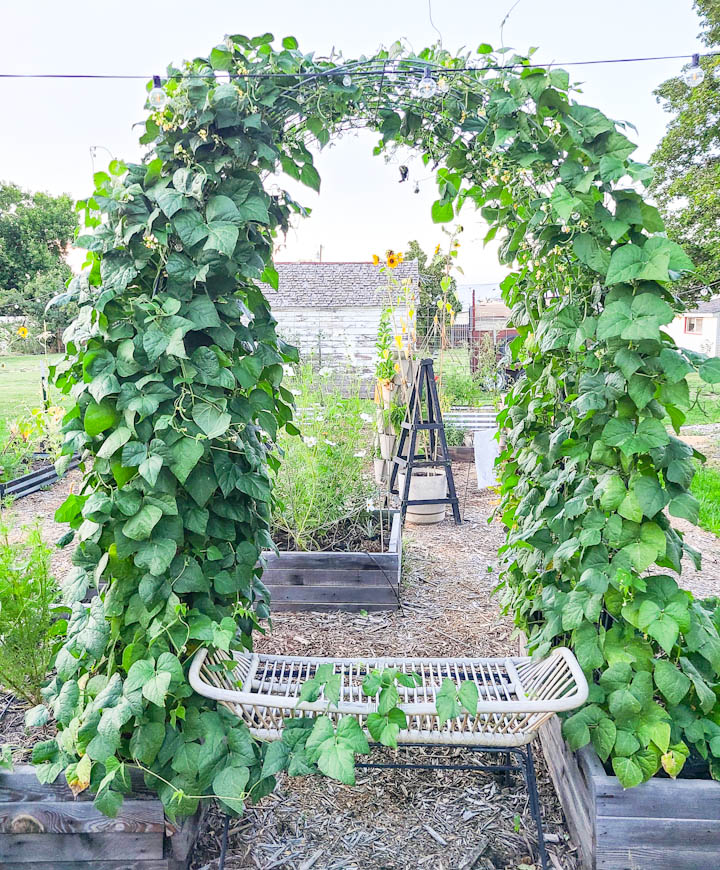
I get so anxious to get my plants in the ground when late May comes around, but all my planning and hard work seed starting will be lost if a late frost hits. Watching the weather closely and not planting too soon will help to save the heartache of lost plants. If you are planting seedlings that you have started, they will need to be “hardened off” before planting. Hardening off plants is the process of gradually exposing indoor-grown seedlings or greenhouse plants to outdoor conditions before transplanting them permanently. This helps them adjust to changes in temperature, sunlight, wind, and humidity, reducing transplant shock and increasing their chances of survival. Begin about 7–14 days before transplanting. Place plants outside in a sheltered, shady spot for a few hours each day. Gradually extend their time outside and introduce them to more direct sunlight and wind over several days.
How to plan a garden for beginners-feeling overwhelmed by garden planning?
Garden planning can be a fun and productive way to pass the winter days. Dreaming of all the produce and flowers you will harvest in the late summer is the perfect motivator to get through cold and dreary days. As fun as garden planning is, it can be intimidating for the beginning gardener who wants to begin with the best chance for success. Starting a garden really can be simple and inexpensive if you start small and don’t overcomplicate it. Check out my Garden Planner for organized, successful garden planning!
My printable Garden Planner is the ultimate guide for how to plan a garden for beginners. Let me help you grow the garden of your dreams this year!
– Companion planting chart
-Seed inventory & starting, fertilizer tracking, harvest tracker
– Garden layout chart
– Seasonal to-do lists
Plus even MORE pages to plan and track your garden from seed to harvest for gardening success!
I would love to hear any questions you have about how to plan a garden for beginners, or what you are excited to plant this year. Happy gardening my friends!
Leave a Reply