How to start canning at home for beginners, the different canning methods explained, and a FREE Canning Inventory printable!
I’ve learned to so much and have canned so much food over the last 4 years since starting my canning journey and my pantry shelves started to fill with beautiful jars of home canned food! Being able to make a meal with jars of food I had canned myself, and knowing the ingredients they included -some of which I had grown myself, gives me an immense sense of satisfaction!
What are the best items to can for beginners?
The two most common techniques are water bath canning and pressure canning. Both canning methods require using different equipment for different foods.
Water bath canning is the easiest place to start for beginners. It’s less intimidating than pressure canning and is a smaller financial investment. You can purchase a water bath canner from the thrift store, hardware store, or online. A large pot with a lid and canning rack works as well. Most retailers sell canning jars and lids. Keep in mind your family size and what the item is that you are canning when purchasing jars. For example, most families won’t go through a quart of jam before it expires, so half pint or jelly jars would be a better choice.
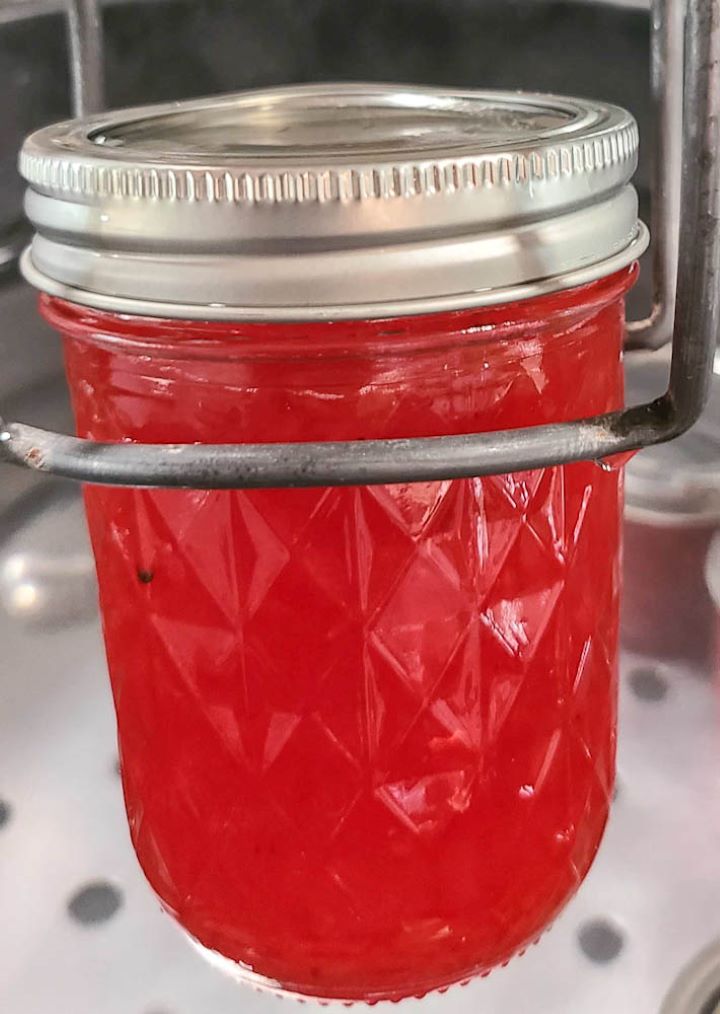
- Jams and jellies are the perfect starting point for beginning canners. These sweet spreads are relatively fast to make, and are delicious and cost effective when made with in-season produce.
- You can make applesauce from blemished fruit, and it can even be used as baby food! You can choose to sweeten your sauce or add spices, but basic applesauce made with only apples is as simple as it gets!
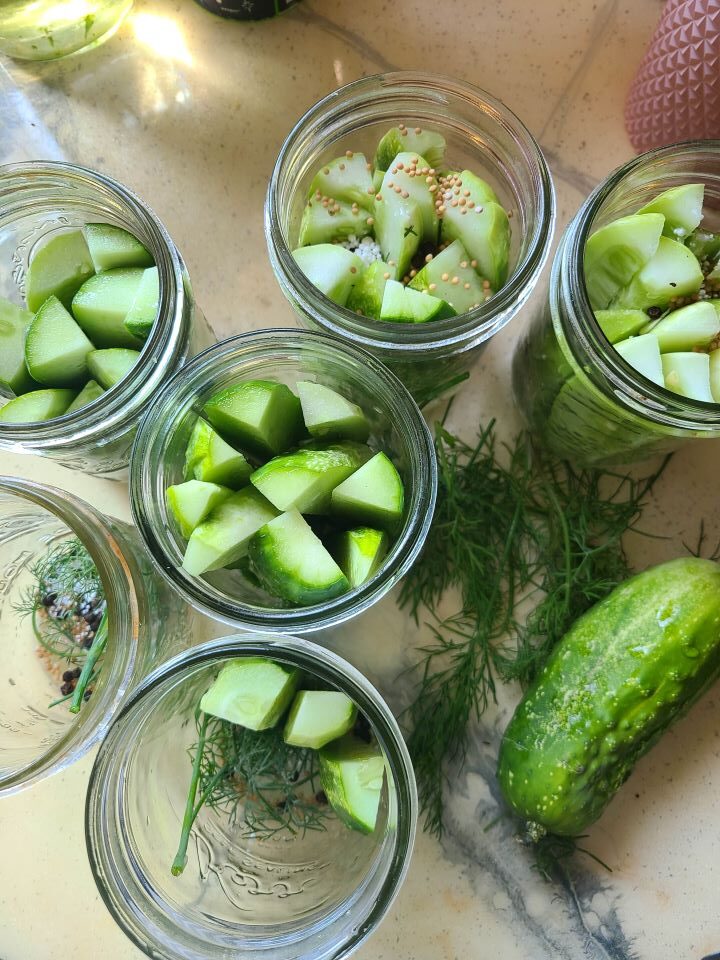
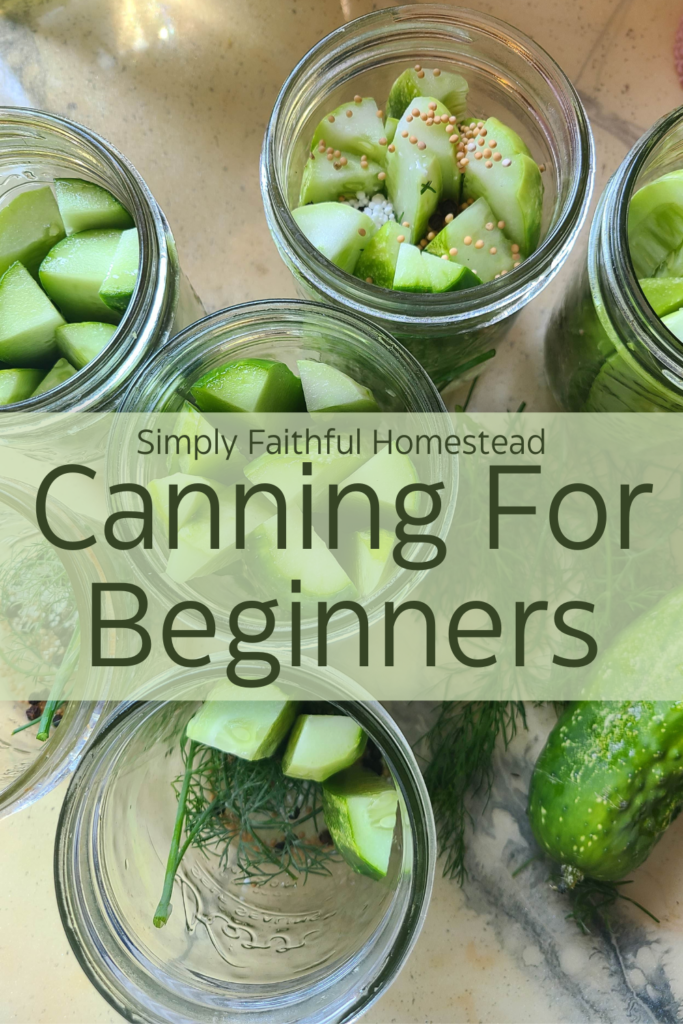
- Pickles are a delicious treat for a novice canner, with many varieties to pick from like dill and bread & butter.
What Items must be pressure canned?
Over time, you will become a more confident canner and may decide to purchase a pressure canner. A pressure canner can be intimidating, but there are many reliable sources from books to YouTube videos that will teach you how to safely use your canner. All “low acid” foods must be pressure canned to eliminate the harmful bacteria Botulism.
- Carrots, peas, potatoes and green beans are a few examples of “low acid” vegetables
- Chicken and all other meats
- Stocks and broths
- Soups and stews
- Beans
The different canning methods explained
There are many resources that can eliminate the confusion about water bath or pressure canning. My favorite book is the Ball Complete Book of Home Preserving, and the Ball Blue Book Guide to Preserving. Both books have tested, safe recipes with easy to follow instructions. You can find an endless amount of recipes online, but I recommend starting with recipes that have been tested for food safety. Once you’ve become comfortable with the process, you will be better able to discern if a recipe online is safe to try.
Why you should track what items you have canned
I started tracking what items I canned and taking a jar count a few years ago. It’s helpful to know how much of an item I canned, and how quickly we went through that item. This information is important when planning my garden for the upcoming year, so I know if I need to adjust the amount of food I am growing. Based on my tracking I have a better idea of how quickly we go through certain items, and I also know if we did or didn’t enjoy a new recipe. I feel a little bit of competition with myself to see how many jars I can each year, and it’s fun to look back at my progress!
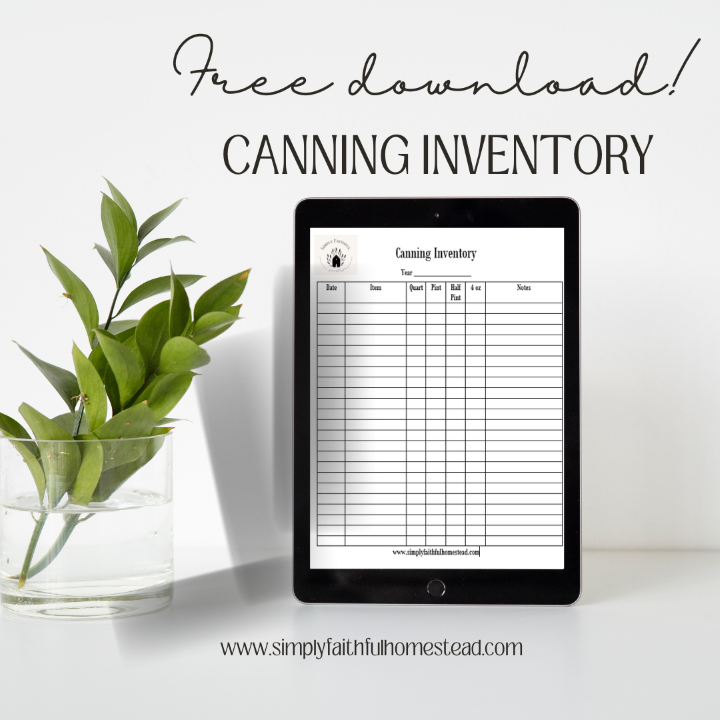
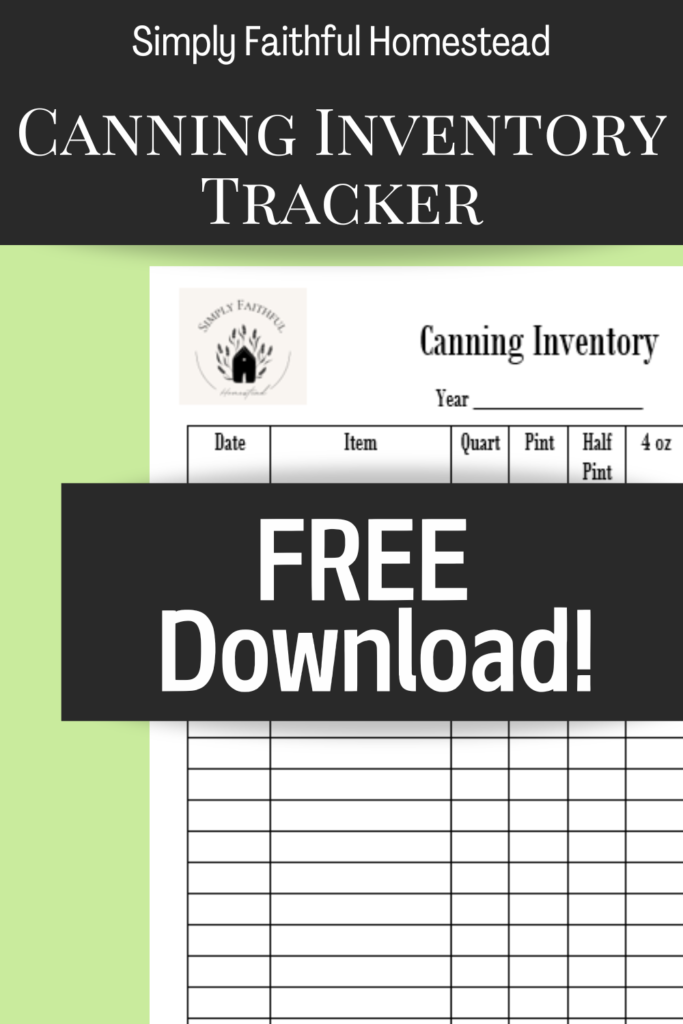
I’ve created a free Canning Inventory form for anyone who wants to start tracking how much they have canned. I also notes section is included to list what recipe was used and where that recipe can be found. Click on the image below to download the FREE Canning Inventory sheet!
I would love to know what your favorite canned food is in the comments below!
Leave a Reply